Workshop helps mental health professionals navigate gender-affirming care ban
TOLEDO, Ohio (WTVG) – Ohio’s SAFE Act, which bans gender-affirming care for minors, went into effect nearly one year ago; yet, some mental health professionals are still trying to wrap their minds around the change and how they say it puts their ethics at odds with the law.
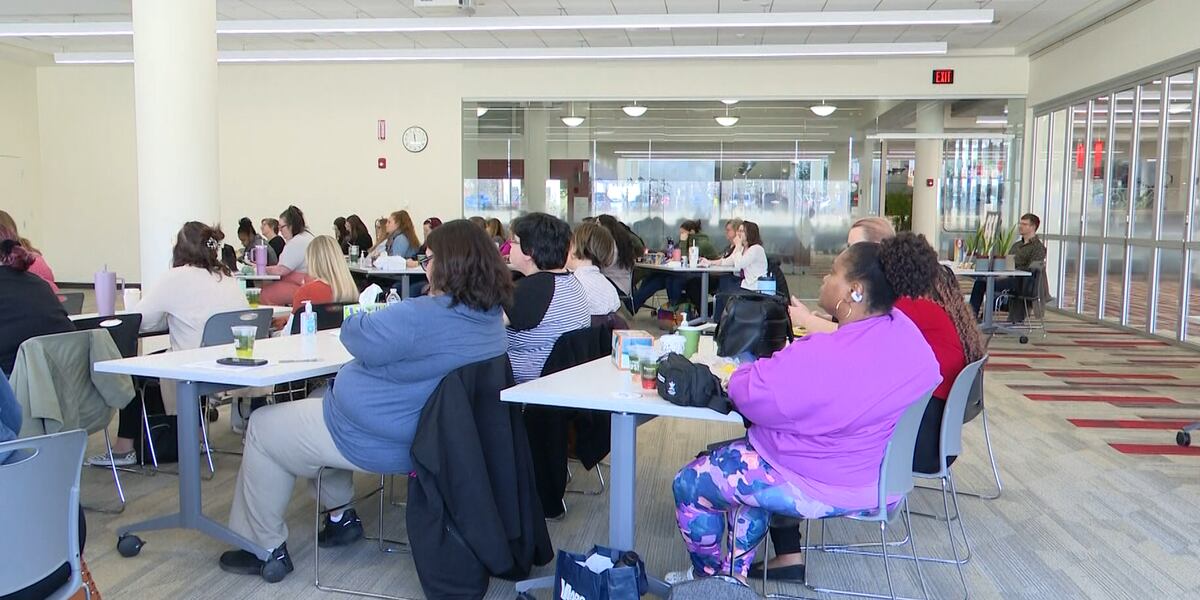
On Friday, the National Association of Social Workers held a workshop, giving mental health professionals guidance on how to navigate the new legislation.
“It’s really important for me to be here because serving queer youth is one of my areas of expertise, so I need to know what I can do both professionally to create that important and trusting connection but also be following the laws of my state,” said Allison Kuhr, a licensed professional clinical counselor who attended the workshop.
The act bans mental health professionals from diagnosing or treating a minor with a gender-related condition without a parent or guardian’s consent.
“We don’t necessarily know what that means,” Kristen Bruce, who ran the workshop and is also a counselor, said.
Bruce said the term “gender-related condition” is ambiguous and leaves mental health providers unsure what they can and cannot do.
“This training is really about helping us navigate the ethical issues and conflicts, helping us define for ourselves what we are going to consider diagnosing and treating a gender related condition,” Bruce said.
The workshop teaches mental health professionals to decide how much risk they are willing to incur in the name of protecting their patients’ confidentiality and physical safety. It also includes workarounds such as asking parents to sign consent forms upfront to prevent having to out children later on.
“If I am forcing outing on a patient who is not ready and who may not be safe, that puts me in the position of putting the client in harm’s way,” Bruce said, adding doing so would go against her professional ethics.
Another attendee, Beth Powder, works in youth crisis services and says the majority of her clients identify as LGBTQ+, transgender or gender-nonconforming. She says many of her clients are self-harming or experiencing suicidal thoughts; having to out those kids to their family members could worsen the situation. Powder believes the best way to help those kids to help them be themselves, but says the SAFE Act gets in the way of her ability to do so.
“We strip away the biggest piece that we can do to keep these kids safe, which is to acknowledge them,” Powder said.
Latest Local News | First Alert Weather | Crime | National | 13abc Originals
Copyright 2025 WTVG. All rights reserved.
link