The Hidden Link: How Poor Oral Health Affects Respiratory Health
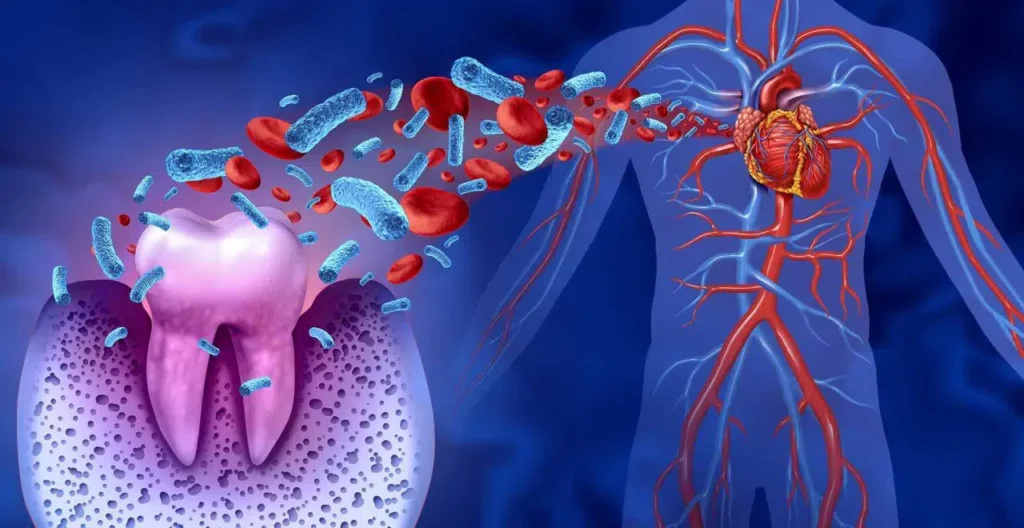
The human body is a complex system, with various organs and systems interconnected and interdependent. One of the most critical connections is between oral health and respiratory health. Poor oral health, particularly gum disease and tooth decay, can have far-reaching consequences for respiratory health, increasing the risk of respiratory infections, exacerbating existing conditions, and even contributing to the development of chronic respiratory diseases.
In this article, the dentist in Powell, TN will delve into the connection between poor oral health and respiratory health, exploring the mechanisms by which oral bacteria can affect the lungs, the impact of poor oral health on respiratory infections, and the relationship between gum disease and chronic respiratory diseases.
The Oral-Respiratory Axis: How Bacteria Travel from the Mouth to the Lungs
The mouth and lungs are connected through the respiratory tract, providing a pathway for bacteria to travel from the oral cavity to the lungs. Oral bacteria, particularly those associated with gum disease, can become airborne and be inhaled into the lungs, where they can cause infection and inflammation.
Studies have shown that oral bacteria, such as Streptococcus pneumoniae, Haemophilus influenzae, and Moraxella catarrhalis, can be isolated from the lungs of patients with respiratory infections. These bacteria can colonize the lungs, leading to the development of pneumonia, bronchitis, and other respiratory infections.
The Impact of Poor Oral Health on Respiratory Infections
Poor oral health, particularly gum disease, has been linked to an increased risk of respiratory infections. Studies have shown that individuals with gum disease are more likely to develop pneumonia, bronchitis, and other respiratory infections.
The mechanism by which gum disease increases the risk of respiratory infections is thought to involve the release of inflammatory mediators, such as cytokines and chemokines, from the infected gums. These mediators can attract immune cells to the lungs, leading to inflammation and increasing the risk of infection.
The Relationship Between Gum Disease and Chronic Respiratory Diseases
Gum disease has also been linked to an increased risk of chronic respiratory diseases, such as chronic obstructive pulmonary disease (COPD) and asthma. Studies have shown that individuals with gum disease are more likely to develop COPD and asthma and that the severity of gum disease is associated with the severity of these conditions.
The mechanism by which gum disease contributes to the development of chronic respiratory diseases is thought to involve the release of inflammatory mediators from the infected gums, which can lead to chronic inflammation in the lungs. This chronic inflammation can contribute to the development of COPD and asthma and can exacerbate existing conditions.
The Importance of Good Oral Health in Preventing Respiratory Infections
Good oral health is essential in preventing respiratory infections. By practicing good oral hygiene, such as brushing and flossing regularly, individuals can reduce their risk of developing gum disease and respiratory infections.
Additionally, regular dental check-ups can help identify and treat oral health problems early, reducing the risk of complications. Dentists can also provide guidance on proper oral hygiene techniques and recommend preventive measures, such as fluoride treatments and dental sealants.
Maintaining Good Oral Health
Here is a quick guide to maintaining good oral health:
- Brush and floss daily: Brush your teeth twice a day and floss once a day.
- Visit your dentist regularly: Schedule dental check-ups every six months.
- Eat a healthy diet: Limit sugary and acidic foods, and drink plenty of water.
- Avoid tobacco and nicotine: Quit smoking and using tobacco products.
- Monitor your gum health: Look for signs of gum disease, such as bleeding or swelling.
Bottom Line
By practicing good oral hygiene, seeking regular dental care, and addressing oral health problems early, individuals can reduce their risk of developing respiratory infections and chronic respiratory diseases. As the saying goes, “A healthy mouth is a healthy body.”