Managing black tartar and tooth stains: A challenge for dental professionals
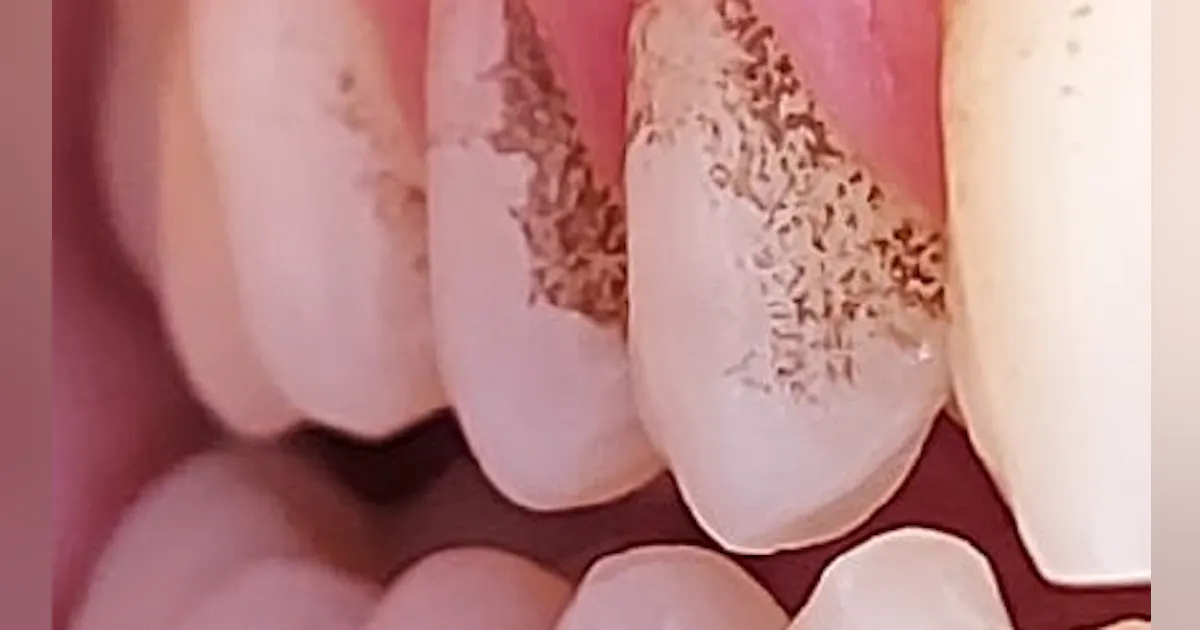
“The unfortunate reality is that once these stains form, they can’t be removed by the patient on their own. Only a professional can effectively clean the rough areas and remove the stains. The easiest and most cost-effective way for patients to manage tartar and staining is through preventative oral hygiene,” emphasizes Emilia Kataja.
In addition to regular mechanical oral hygiene, antibacterial treatments are essential in managing plaque-related oral health issues. The Lumoral device* utilizes antibacterial photodynamic therapy (aPDT) combined with a photothermal effect to target harmful bacteria in the mouth. This helps reduce plaque formation and prevents the development of black tartar. By using the device regularly, patients can effectively manage bacterial loads in hard-to-reach areas, which can reduce the need for more invasive treatments later on.3
Enhancing oral care routines
As an oral health professional, incorporating Lumoral antibacterial treatment into a patient’s oral care routine offers a noninvasive, drug-free method to support and enhance their hygiene practices. Designed for at-home use, Lumoral complements regular brushing, interdental cleaning, and professional checkups to help maintain long-term oral health and reduce tartar buildup.
The antibacterial action of Lumoral is particularly effective in hard-to-reach areas and on implant surfaces, helping to reduce biofilm formation and tartar growth. Clinical studies have demonstrated its efficacy, with notable improvements in key indicators such as reduced bleeding on probing (BOP).3,4
According to Europe’s largest periodontitis study, more than half of the participants who used Lumoral were healed from gum inflammation based on the BOP index—2.5 times more than the control group who did not use the device. In the control group, only 22% of participants achieved healthy gums after three months. Lumoral users also experienced significantly less plaque buildup, while the control group showed no reduction in plaque levels.3
Additionally, two-thirds (67%) of Lumoral users reduced the number of deep gum pockets by half compared to their initial condition, achieving significantly better results than the control group. These findings underscore Lumoral’s value as a highly effective adjunct to traditional oral care methods.3
* Lumoral, which is not yet sold in the United States, is a CE-certified medical device, which means it meets the safety and health requirements set by the European Union. It is based on scientific research and is widely used both at home and recommended by professionals, ensuring its safety and effectiveness.
Editor’s note: This article first appeared in Clinical Insights newsletter, a publication of the Endeavor Business Media Dental Group. Read more articles and subscribe.
References
- Veses V, González-Torres P, Carbonetto B, et al. Dental black plaque: metagenomic characterization and comparative analysis with white plaque. Sci Rep. 2020;10(1):15962. doi:10.1038/s41598-020-72460-2
- Larson J. Why am I getting a black buildup on my teeth? Healthline. January 25, 2022.
- Pakarinen S, Saarela RKT, Välimaa H, et al. Home-applied dual-light photodynamic therapy in the treatment of stable chronic periodontitis (HOPE-CP)–three-month interim results. Dent J (Basel). 2022;10(11):206. doi:10.3390/dj10110206
- Panzironi G. La terapia fotodinámica domiciliaria como medio de prevención para el control del biofilm. Zenodo. 2022.
link