Dental Bonding for Discolored Teeth: A Comprehen Guidsivee
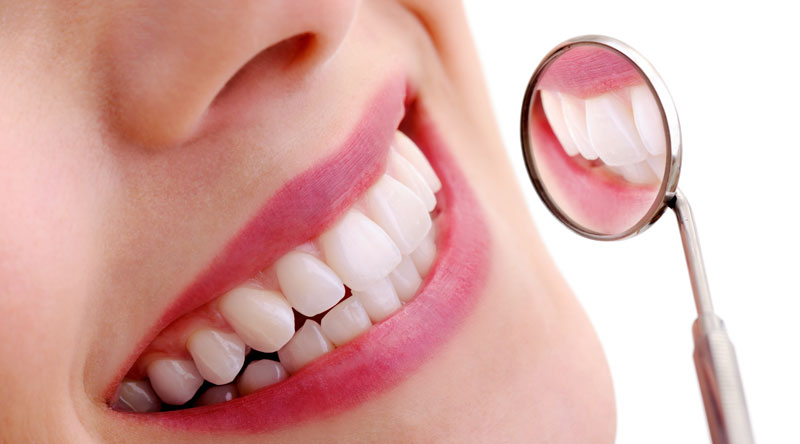
Dental bonding offers a transformative solution for individuals struggling with discolored teeth, revitalizing their smile and boosting confidence. Tooth discoloration, whether caused by trauma, aging, medication, or lifestyle habits, can significantly impact one’s self-esteem. Fortunately, dental bonding provides a minimally invasive and effective answer, correcting uneven tooth color and restoring a radiant, healthy-looking appearance.
In this article, we’ll delve into the benefits, process, and maintenance of dental bonding for discolored teeth, exploring how this innovative procedure can revitalize your smile.
What is Dental Bonding?
Dental bonding, also known as tooth bonding, is a procedure where a tooth-colored resin is applied to the affected tooth and bonded using a specialized adhesive. This resin is shaped and polished to match the surrounding teeth, creating a natural appearance.
There are two primary types of dental bonding:
- Direct bonding: Resin is applied directly to the tooth.
- Indirect bonding: A laboratory-created resin is bonded to the tooth.
How Does Dental Bonding Help Treat Tooth Discoloration?
Dental bonding helps treat tooth discoloration in several ways:
Corrects Surface Stains
- Covers intrinsic stains: Bonding resin can mask stains penetrating the tooth enamel.
- Conceals extrinsic stains: Bonding covers surface stains caused by food, tobacco, or other substances.
Restores Natural Color
- Matches tooth shade: Bonding resin is color-matched to surrounding teeth.
- Blends with surrounding teeth: Bonding creates a seamless appearance.
Addresses Tooth Damage
- Repairs chipped teeth: Bonding repairs chips, cracks, or fractures.
- Fills gaps: Bonding closes small gaps between teeth.
What Are The Benefits of Dental Bonding for Discolored Teeth?
The benefits of dental bonding for discolored teeth include:
Cosmetic Benefits
- Improved appearance: Bonding restores natural tooth color.
- Enhanced smile: Bonding blends with surrounding teeth.
- Boosts self-confidence: A brighter smile enhances self-esteem.
Functional Benefits
- Repairs tooth damage: Bonding fills gaps, chips, and cracks.
- Protects tooth structure: Bonding prevents further damage.
- Restores tooth function: Bonding enables normal chewing and biting.
Practical Benefits
- Minimally invasive: No extensive drilling or enamel removal.
- Quick procedure: Typically completed in one visit.
- Cost-effective: Less expensive than veneers or crowns.
- Long-lasting: Bonding material can last up to 10 years.
Other Benefits
- Pain-free: Bonding is a relatively painless procedure.
- Versatile: Bonding addresses various types of discoloration.
- Low maintenance: Easy to clean and maintain.
- Reversible: Bonding can be removed if needed.
Overall Benefits
- Enhanced oral health
- Improved self-confidence
- Better quality of life
- Increased satisfaction with a smile
The Dental Bonding Process
Dental bonding is a minimally invasive procedure that repairs and restores discolored, damaged, or misshapen teeth. Here’s an overview of the dental bonding process:
Step 1: Preparation (10-15 minutes)
- Cleaning: The tooth is cleaned to remove bacteria and debris.
- Etching: A mild acid solution is applied to roughen the tooth surface.
- Shade selection: The dentist selects a matching resin shade.
Step 2: Applying Bonding Agent (10-15 minutes)
- Bonding agent: A special liquid is applied to the etched tooth surface.
- Resin application: A tooth-colored resin is applied to the tooth.
Step 3: Shaping and Polishing (20-30 minutes)
- Resin shaping: The resin is molded to match surrounding teeth.
- Polishing: The resin is polished to achieve a natural shine.
Step 4: Bonding (10-15 minutes)
- UV light: A special light is used to harden the resin.
- Bonding: The resin is bonded to the tooth.
Step 5: Finishing Touches (10-15 minutes)
- Final polishing: The tooth is polished to remove excess resin.
- Bite check: The dentist ensures proper bite alignment.
- Follow-up: Schedule a follow-up appointment.
Dental bonding offers a reliable solution for discolored teeth, providing a natural-looking and long-lasting result. By understanding the causes of tooth discoloration and the benefits of dental bonding, individuals can make informed decisions about their oral health. Consult with a qualified dentist to determine if dental bonding is the right solution for your discolored teeth.