Advocates call for more access to quality care to address mental health
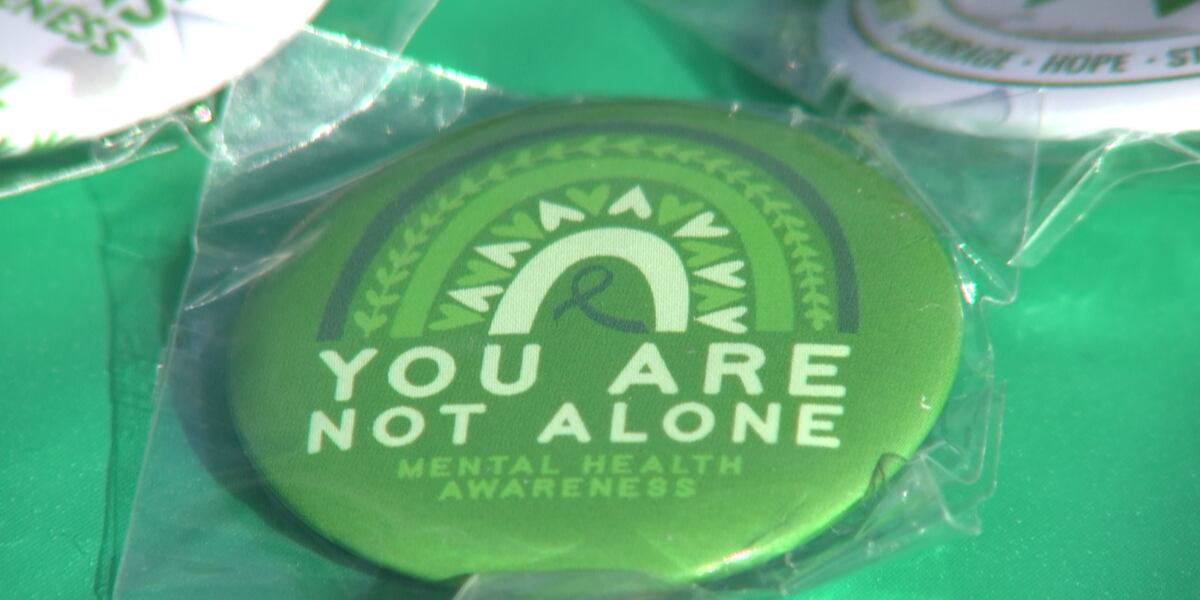
HONOLULU (HawaiiNewsNow) – May is Mental Health Awareness Month, and advocates are working to shine a light on America’s mental health crisis, with millions of people unable to get quality care for anxiety, depression, trauma and other issues.
Robert Boyack of the nonprofit Child & Family Service (CFS) joined HNN’s Sunrise to talk about the importance of mental health resources for Hawaii families.
“Despite progress in mental health initiatives, more than 30 million people in the U.S. still lack access to comprehensive, high-quality care,” Boyack said. He shared these stats:
- 1 in 6 U.S. youth have a mental health condition, but only half receive treatment.
- 50% of all lifetime mental illness begins by age 14, and 75% by age 24.
- 1 in 20 U.S. adults experience serious mental illness each year.
- More than 30% of adults in Hawaii report symptoms of anxiety and/or depression.
- Over 20% of those needing care aren’t receiving it.
In Hawaii, mental health challenges are increasing across all age groups. In 2020, over 11,000 youth in Hawaii experienced at least one major depressive episode—and more than half did not receive the care they needed.
CFS says that leads to more ER visits, more untreated trauma and greater long-term costs for individuals and negative impact to community.
“From cyberbullying to the constant comparison culture of social media, kids are living in a world of 24/7 judgment and unattainable expectations,” Boyack said.
Waitlists for youth therapy in Hawaii can stretch four to six weeks. The shortage of trained mental health professionals is severe, especially in underserved communities.
Maui and Kauai counties experience the greatest shortages in provider availability, with waitlists for youth therapy stretching four to six weeks in some areas.
CFS says Hawaii does not have enough therapists to meet the growing demand, and reimbursement rates for Medicaid patients are so low that providers struggle to stay open.
CFS advocates for more Medicaid funding and federal investment through agencies like SAMHSA (Substance Abuse and Mental Health Services Administration).
The nonprofit offers cognitive behavioral therapy, trauma-informed care, and Transition To Success programs.
Here are tips to support your mental health:
- Stay connected with supportive friends, family, or community — strong relationships boost emotional well-being.
- Practice self-care regularly through activities like exercise, mindfulness, and getting enough sleep.
- Talk about your feelings — sharing emotions can reduce stress and help you feel more understood and supported. It is important to find a provider that you trust.
For more resources, visit: childandfamilyservice.org/resources or call 808-681-1535.
Copyright 2025 Hawaii News Now. All rights reserved.
link