Is fluoride being removed from public water? What families should know
Decades of research show water fluoridation is a safe and effective way to prevent cavities, but new efforts by some policymakers to remove fluoride from public water systems are raising questions about how families would protect their dental health without it.
Experts say that fluoride is a naturally occurring mineral that strengthens tooth enamel and helps prevent decay. According to the Centers for Disease Control and Prevention, about 72% of people in the United States who rely on community water systems currently receive fluoridated water.
Why fluoride matters
Dentists say fluoride works by strengthening hydroxyapatite, the primary mineral that makes up tooth enamel. Stronger enamel is more resistant to acid and bacteria that cause cavities.
Health experts say community water fluoridation remains one of the most effective public health measures for preventing tooth decay.
How to get fluoride without fluoridated water
If fluoride were removed from public water supplies, dentists say there are other ways people can still get it—though they may require more consistency.
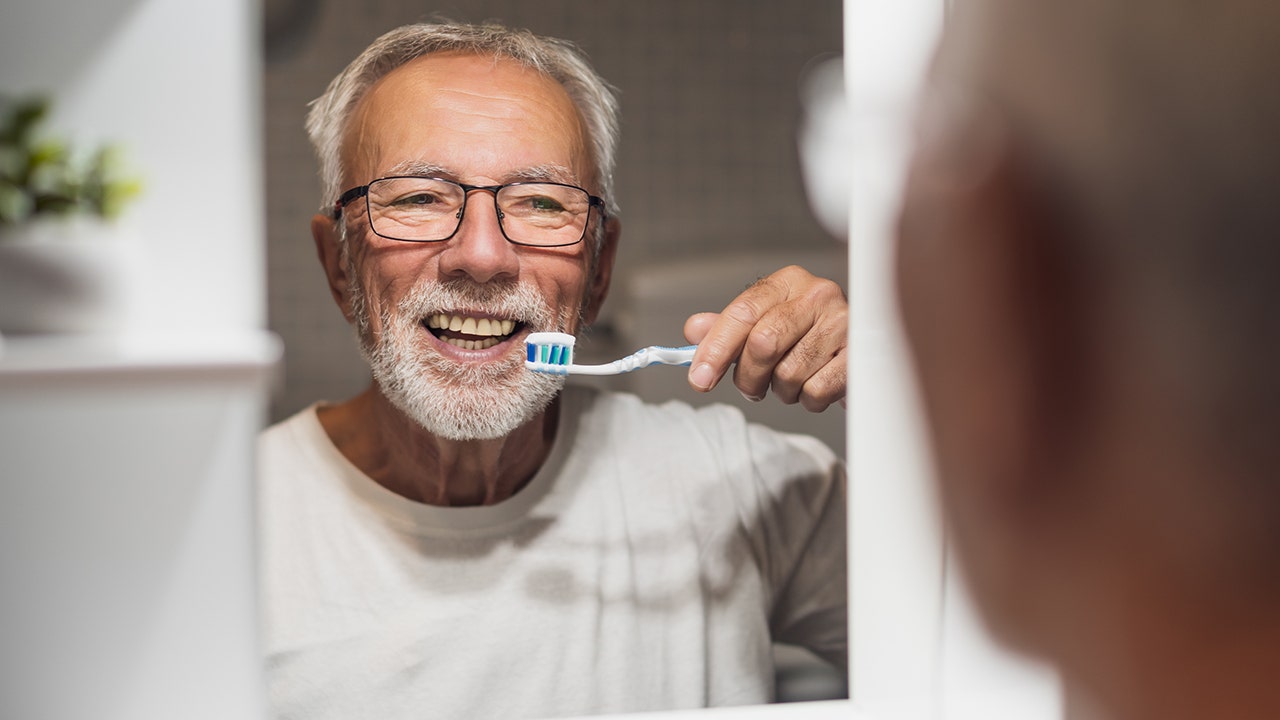
Toothpaste is one of the most common alternatives. Dentists recommend checking ingredient labels to ensure fluoride is included. The Cleveland Clinic advises choosing toothpaste that contains at least 0.10% fluoride, which is standard for most over-the-counter products.
Fluoridated mouthwash is another option and is often labeled with fluoride concentrations around 0.12%. Dentists recommend spitting without rinsing after brushing and flossing, then avoiding food or drinks for at least 30 minutes so the fluoride has time to work.
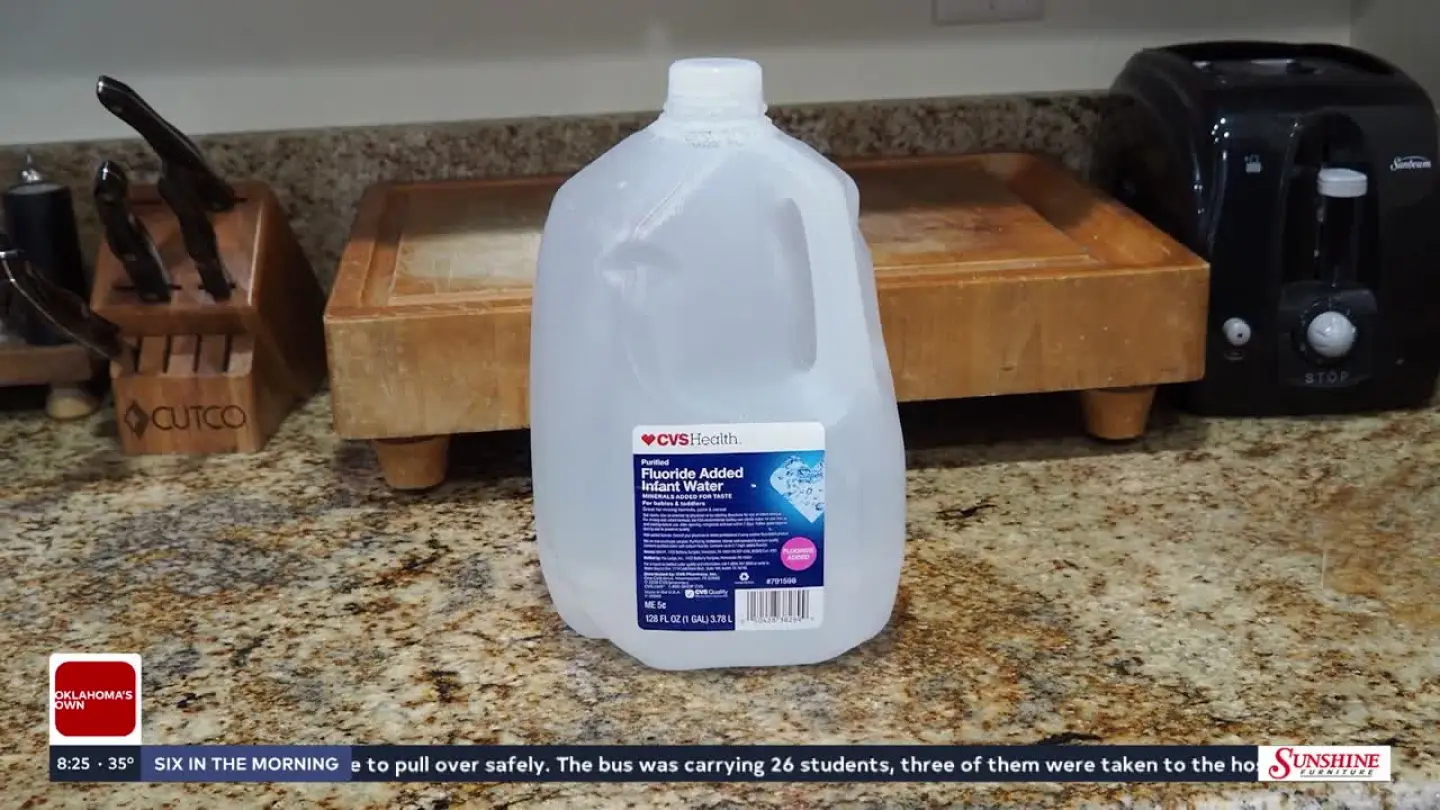
For infants, fluoridated nursing water can be used. This water typically contains fluoride at about 0.7 to 1 part per million, similar to recommended levels in community water systems.
Fluoride and children
Doctors stress that fluoride intake should be carefully monitored in children. Children under nine years old should receive no more than two milligrams of fluoride per day.
Toothpaste and mouthwash can be too concentrated for young children who cannot spit properly. Dentists caution against using fluoridated mouthwash or large amounts of toothpaste in children under five or six years old to prevent swallowing excess fluoride.
Health experts say that while water fluoridation remains the gold standard for preventing cavities, understanding alternative sources can help families maintain good dental health if access to fluoridated water changes.
link