This Nordic Community Could Be the Next Longevity Blue Zone


Researchers identified Swedish-speaking Ostrobothnia as a possible Blue Zone. Other regions showed that lifestyle and health outcomes do not always match.
Swedish-speaking Ostrobothnia has emerged as a candidate for recognition as a potential Blue Zone, supported by its combination of long life expectancy, strong health outcomes, and lifestyle patterns that mirror those seen in established Blue Zones. In contrast, Åland, despite having the highest life expectancy and best health among the regions studied, does not fully align with Blue Zone lifestyle principles, apart from offering a favorable living environment, according to research from Åbo Akademi University.
A Blue Zone refers to a geographic region where an unusually high proportion of people live much longer than average. While the concept began in demographic studies, it has since expanded to include research on health and lifestyle. Populations in recognized Blue Zones tend to share common habits: balanced diets, regular but moderate physical activity, close-knit community ties, and a strong sense of life purpose. Well-documented Blue Zones include Ogliastra in Italy, Ikaria in Greece, Okinawa in Japan, and Martinique.
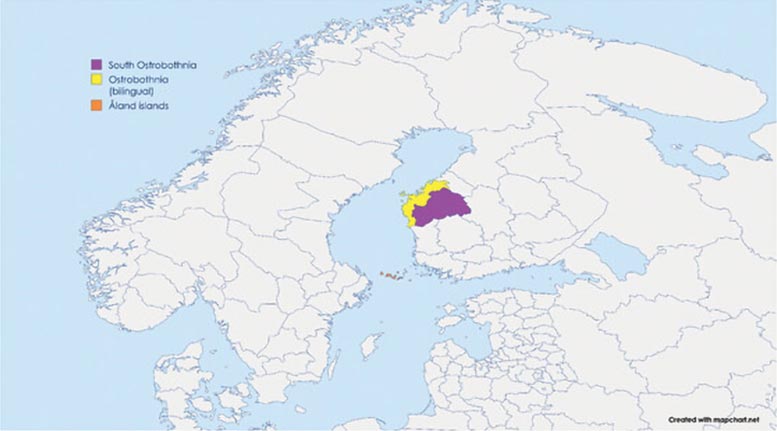
The study focused on Western Finland, examining how health outcomes and adherence to Blue Zone lifestyle principles intersect in regions with different levels of longevity. The areas investigated included bilingual Ostrobothnia, Swedish-speaking Åland, and Finnish-speaking South Ostrobothnia.
Potential Blue Zone in Ostrobothnia
Findings indicate that Swedish-speaking Ostrobothnia shows strong health outcomes and most closely follows the lifestyle patterns associated with recognized Blue Zones. This region may qualify as a potential Blue Zone in terms of longevity, though additional demographic confirmation is still needed. In comparison, Finnish-speaking Ostrobothnia displayed the greatest departure from Blue Zone lifestyle habits.
“The potential link between longevity, health, and lifestyle may vary across cultural, political, social, and economic contexts in different regions. Here, we require additional demographic studies to verify the extraordinary life expectancy in Ostrobothnia, especially among the Swedish-speaking community,” explains Sarah Åkerman, Postdoctoral Researcher in Social Policy and principal investigator of the Blue Zones in the Nordics project at Åbo Akademi University.
South Ostrobothnia Residents Live Healthily Yet Show the Poorest Health
The results reveal no clear patterns in regional differences regarding the relationship between longevity, health-promoting lifestyle and health. Åland had the highest life expectancy and the best health but departed from a number of lifestyle principles typically linked with long-living populations. This suggests that the life expectancy and health on Åland may be affected by other factors.
Swedish-speaking Ostrobothnia and South Ostrobothnia showed the highest levels of health-promoting lifestyles, although South Ostrobothnia had lower life expectancy than the other regions studied. South Ostrobothnia showed the poorest health yet followed the Blue Zone lifestyle to the same extent as Swedish-speaking Ostrobothnia.
A long life is generally regarded as the ultimate outcome of good health, even though longevity does not necessarily go hand in hand with good health or a health-promoting lifestyle. Today, there is a growing emphasis on healthy living, both at the individual and community level, as a way of delaying the need for social and healthcare services among the aging population. Our research, however, shows that health and lifestyle do not necessarily correlate at the regional level, pointing to the need for continued research into how lifestyle can support healthy aging.
Reference: “Searching for a Potential Blue Zone in the Nordics: A Study on Differences in Lifestyle and Health in Regions Varying in Longevity in Western Finland” by Sarah Åkerman, Dorly Deeg, Erika Boman, Johan Niklasson, Yngve Gustafson and Fredrica Nyqvist, 3 August 2025, Journal of Aging Research.
DOI: 10.1155/jare/5535904
Funded by the Swedish Cultural Foundation in Finland and the Swedish Ostrobothnian Association.
The Blue Zones in the Nordics project will run until 30 June 2026. The study was carried out using national statistics as well as data from the Gerontological Regional Database (GERDA) survey, which in its most recent round (2021/2022) was completed by just over 12,000 individuals born in 1930, 1935, 1940, 1945, 1950 and 1955.
Never miss a breakthrough: Join the SciTechDaily newsletter.
Follow us on Google, Discover, and News.
link