Legal protections for mental health conditions
Legal protections for mental health conditions

Updated: 10:42 AM EDT May 30, 2025
Living with *** mental health condition poses several challenges in everyday life, and speaking about it, especially to your employer, isn’t always easy. On our last Friday of Mental Health Awareness Month, we’re continuing our effort to end the stigma. Joining me this morning to talk about the legal protections here in Florida is Morgan Cardinal, the director of advocacy at Community Legal Services. Good to see you this morning, Morgan. Thank you so much for having me on *** really important day. Closing out May for Mental Health Awareness Month, so I really appreciate you having us here to talk about this important issue. We were just before going on the air talking about this, and, and I, I just want to say thank you to you for the work that you’re doing pro bono for people in our community, those really who need it the most. So tell everybody out here watching about Community Legal Services. Sure, so Community Legal Services is *** nonprofit legal aid. Organization we serve 12 counties throughout Central Florida including very own Orange County, right? And so we do that in *** number of ways direct client services, outreach and education in the community and being able to join you here today to talk to the community about what protections are available to them. And let’s break that down because you know there are reasonable accommodations for mental health conditions. What are you seeing and sharing with people. Who who’ve come to you looking for help? Absolutely. So I’m really happy that you brought up reasonable accommodations. I will tell you the data that we have internally is that the number one complaint we have for allegations of unfair treatment or possible discrimination does rely on disability, right? And I think that comes with *** lot of misconception about what disability really is, you know, we have laws in our country. I think the biggest one people know about is the American. With Disability Act or the ADA we have protections here in the state of Florida that prohibit discrimination for uh residents and businesses in Florida and they’re really focused on *** large swath of protected classes and disability being one of them and disability is really defined broadly as both physical and mental impairments that impact your daily life and so these accommodations are. Really here to help level that playing field for people who otherwise wouldn’t be getting fair and equal access to services because of their disability. And what do you see as some of those common misconceptions about the mental illness and and the stigma because I think that’s one of the things that this month is doing such *** good job and all of us recognizing it’s OK not to be OK. It’s not *** cliche, it is *** real thing, but, but you see that and that stigma. I think the number one misconception is really the prevalence of mental health issues, right? I think there’s reported data here in the state of Florida that something like 3 of the population has reported *** mental health condition at some point in time or another. I think that’s really also been compounded in contemporary times after the pandemic where people were really dealing with *** lot of isolation and then the financial issues that impacted following the pandemic and so when we’re really thinking about mental health we really have to think of it broadly it’s everything from anxiety and depression to substance abuse issues and so we want people to be really treated individually based on their. Particular circumstances and their condition and I think *** lot of rhetoric would say mental health leads to safety issues, instability, things like that dangerous, but it really is such *** wide range of conditions and we want that individualized analysis for folks. OK, Morgan, in the last few seconds here, what do you want our community to know? What’s that final thought for people who are unsure about their own rights? Absolutely. And I will tell you the number one thing that we want people to know is what their rights are, but if you’re unsure, please start with our website legal access for all.org. We have tons of information resources links to tools that you can use. You’re your number one advocate, so starting with what do you need, have those conversations with medical providers have, as you mentioned earlier, have those difficult conversations with employers and housing. Providers and document those responses and finally if you do feel you’re being treated unfairly it’s best to consult with an advocate like CLS at our website again that’s legal access for all.org where you can talk to *** Florida uh barred attorney and really go through what your experience is to determine if you need to pursue further legal assistance. Well, we thank you for the work that you and and all the attorneys.
Legal protections for mental health conditions
Updated: 10:42 AM EDT May 30, 2025
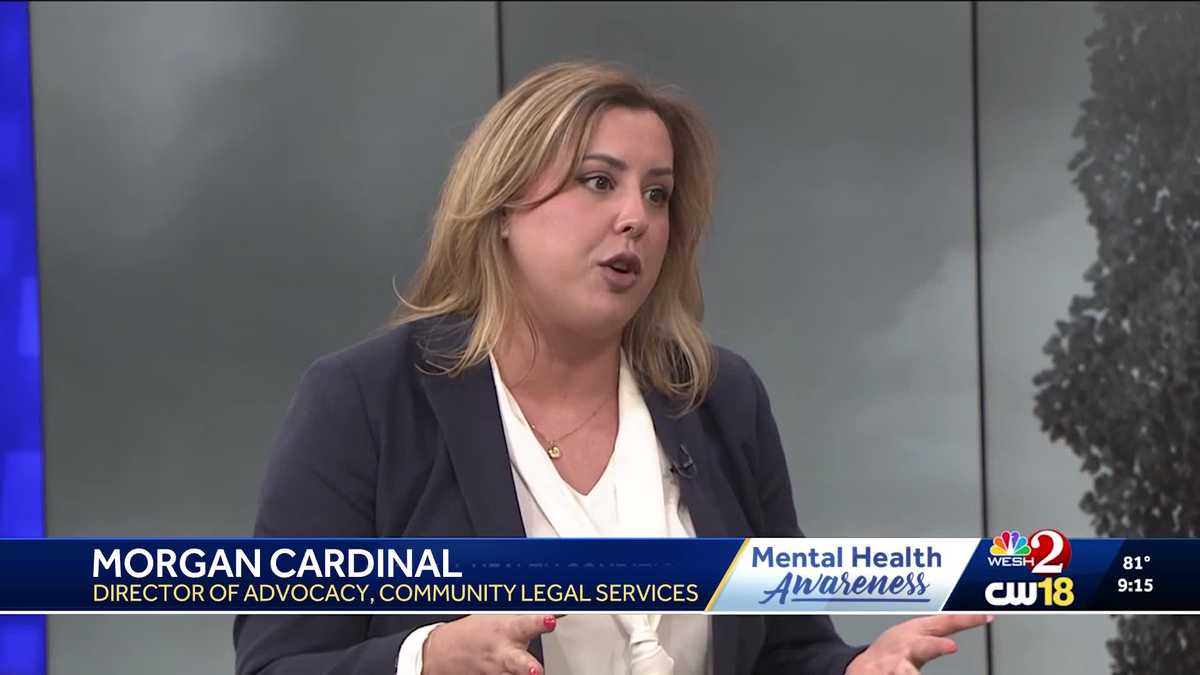
Morgan Cardinal, Director of Advocacy for Community Legal Services, talks about what accommodations are available for people with mental health conditions. She also shares guidance for those who are unsure of their rights. You can find help from Community Legal Services here.
Morgan Cardinal, Director of Advocacy for Community Legal Services, talks about what accommodations are available for people with mental health conditions. She also shares guidance for those who are unsure of their rights.
You can find help from Community Legal Services here.
link